News
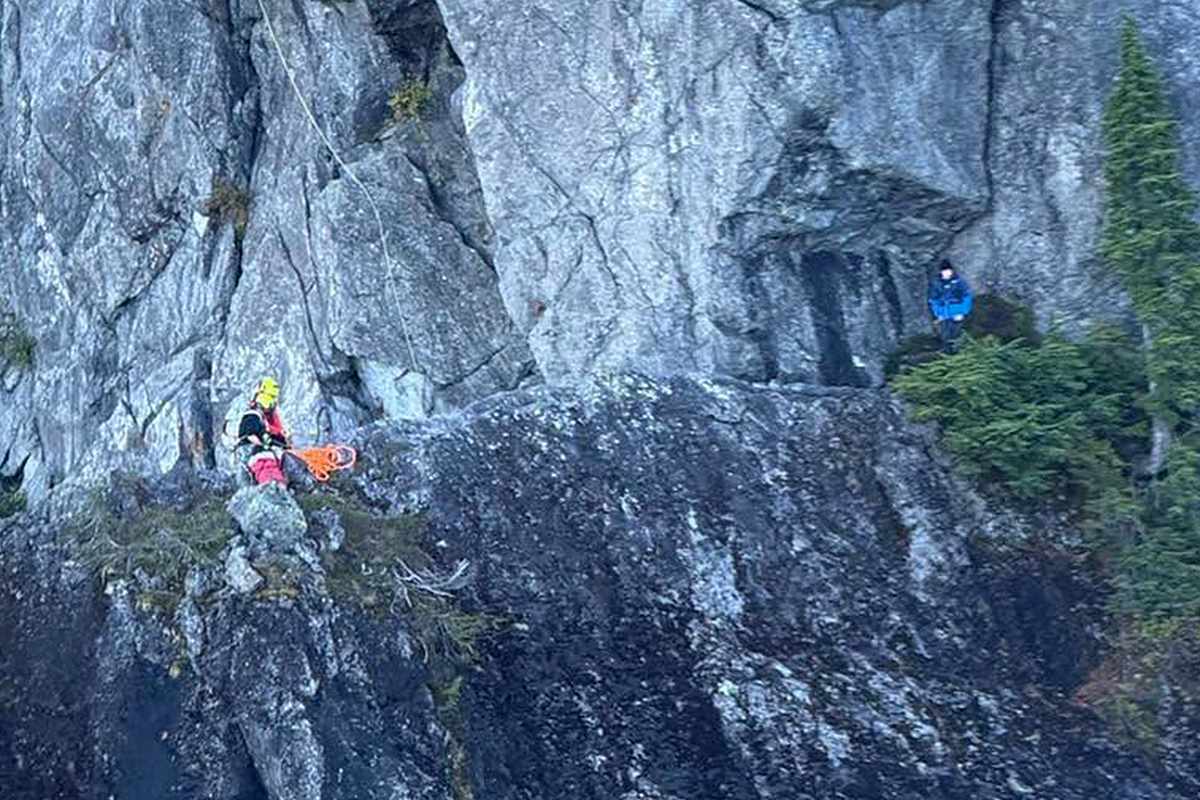
When AI gets the route wrong: What does this mean for visitor safety?
Artificial intelligence is increasingly influencing how people plan trips, find walking routes and make decisions about outdoor activities. But what happens when the advice it provides leads someone into danger?
A recent incident in British Columbia, Canada, highlights the potential implications for organisations responsible for visitor safety. A 16-year-old hiker who used AI to help plan a route found himself stranded on steep, technical terrain and required a helicopter-assisted rescue.
The incident, reported by People, raises important questions for those managing outdoor recreation sites: how are visitors using AI to plan their activities, and what can organisations do to help them make informed, safe decisions?
Five learnings for visitor safety practitioners
1. AI is becoming another source of visitor information
Visitors have traditionally relied on guidebooks, maps, websites, recommendations from friends and dedicated outdoor navigation apps to plan their activities. AI chatbots are now another potential source of information, offering personalised itineraries, route suggestions and advice in response to natural-language questions.
However, a route recommendation that sounds plausible is not necessarily accurate, appropriate or safe. AI-generated advice may fail to distinguish between an established walking trail and terrain requiring specialist climbing skills.
What can organisations do?
Consider how visitors are planning their activities and whether emerging digital tools should feature in visitor safety risk assessments, communications strategies and discussions about changing visitor behaviour.
2. Clear and reliable route information remains essential
The incident reinforces the importance of providing accurate, accessible information about routes and the conditions visitors may encounter.
For visitors, understanding the distance and estimated duration of a route is only part of the picture. Terrain, gradients, technical difficulty, exposure, surface conditions and potential hazards can all influence whether a route is suitable for an individual.
Clear waymarking is equally important, particularly at junctions or locations where an established trail meets more challenging terrain.
What can organisations do?
Review official route descriptions, maps, grading systems, signage and warnings to ensure they are accurate and easy to understand. Where appropriate, make clear the limitations of a route, the skills and equipment required, and any restrictions or hazards visitors should know about before setting out.
3. Digital confidence is not the same as navigation competence
AI tools can present information confidently, making it difficult for users to recognise when advice is incomplete or incorrect.
The incident is a reminder that even visitors with some outdoor experience can encounter unfamiliar terrain and find themselves in situations beyond their capabilities.
Promoting responsible outdoor recreation means helping visitors understand the limitations of digital information and the importance of exercising their own judgement.
What can organisations do?
Encourage visitors to cross-check route recommendations against trusted maps and authoritative local information. Promote appropriate navigation skills, preparation for changing conditions and the importance of turning back when a route becomes unsuitable or differs from expectations.
4. Organisations have limited control over the information visitors receive
Land managers can maintain their own websites, publish route guides and install clear signage. They cannot directly control every recommendation generated by an AI chatbot or shared through a third-party platform.
This creates a challenge: visitors may arrive with expectations shaped by information that the organisation has never published, reviewed or endorsed.
Although organisations cannot guarantee the accuracy of every external source, they can help visitors find reliable information and understand the risks associated with their chosen activity.
What can organisations do?
Make official route information easy to find online and ensure it reflects current conditions, closures, access restrictions and known hazards. Consider whether important safety information is sufficiently clear and accessible to people researching a visit before they arrive.
Organisations should also distinguish between the information they control, the information they may be able to influence and information that remains outside their control.
5. Emergency preparedness remains a priority
Even with good information and preparation, incidents can happen. Visitors may become lost, encounter unexpected terrain or find that conditions are beyond their capabilities.
The British Columbia incident also highlights the importance of recognising when a situation has become dangerous and seeking help promptly.
What can organisations do?
Continue to promote established safety messages, including carrying a charged mobile phone, sharing intended routes, checking conditions before departure and knowing how to contact emergency services. Review incident response arrangements and consider whether existing procedures adequately address visitors becoming stranded away from established paths.
Recording incidents and near misses can also help organisations identify patterns and share learning across the visitor safety sector.
What does this mean for land managers?
The incident should not be interpreted as evidence that organisations are automatically responsible for routes generated by AI. Responsibilities and potential liability will depend on the circumstances, the organisation’s role and the applicable law.
Instead, it provides an opportunity to reflect on how visitor behaviour is changing and whether existing safety measures remain effective.
Three areas are worth considering:
- Information you control: Official maps, route descriptions, websites, signage, warnings and closure notices.
- Information you can influence: The visibility and completeness of official information online, and how easily visitors can distinguish it from unofficial recommendations.
- Information you cannot directly control: AI-generated directions, third-party route content and advice shared between visitors.
The priority is to make official information as reliable and accessible as possible, while considering where improvements could help visitors make safer decisions.
A conversation for the visitor safety sector
AI is not going away, and visitors will continue to adopt new technologies when planning outdoor activities. The challenge for visitor safety practitioners is to understand how these tools influence decisions and adapt established safety principles accordingly.
This means maintaining accurate information, communicating risks clearly, promoting responsible decision-making and ensuring that emergency arrangements remain fit for purpose.
A question for the sector: Should organisations managing outdoor recreation sites explicitly address the risks of AI-generated route advice in their visitor safety communications?
Sharing experiences and learning from incidents will help the sector respond proportionately to this emerging issue, without losing sight of the fundamentals of good visitor safety management.
Related VSG Webinar: The Impact of Social Influencers on Visitor Safety – Visitor Safety Group