News
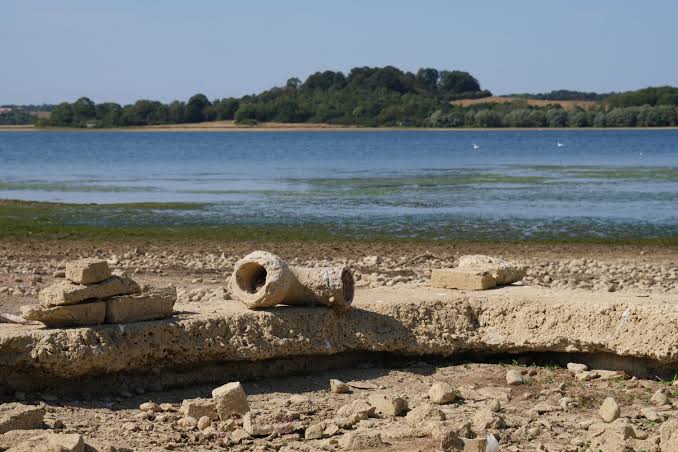
Drought conditions are reshaping the visitor safety landscape
Falling water levels at Rutland Water have exposed the remains of Nether Hambleton, a village submerged when the reservoir was created in the 1970s – a striking reminder that prolonged dry weather does more than lower water levels. It changes the ground beneath visitors’ feet.
As reservoirs and other water bodies recede, previously submerged stonework, structures and uneven terrain are becoming exposed and accessible. Areas that were safely underwater can quickly become trip, fall and injury hazards, often without clear signage or visible warning. Combined with the extreme heat currently affecting parts of England, site managers and outdoor recreation providers are facing a compound challenge: greater visitor footfall in hot weather, drawn to newly exposed or unusual features, alongside genuinely altered and less predictable ground conditions.
This is a timely reminder for those managing reservoirs, riverbanks and other water-adjacent sites to review current ground conditions, update visitor signage where features have become exposed, and communicate clearly with the public about changing risks during periods of drought and heat.
Read more: Remains of lost village discovered under Rutland Water as region declares drought | ITV News Central