News
2025 Survey Results: Turning Feedback into Action
Thank you to all members who completed this year’s membership survey.
Your feedback has helped shape VSG’s Action Plan to 2028 and helps us prioritise the work that matters most to you.
What members told us
Members continue to place very high value on the core activities delivered by VSG. Workshops, webinars, risk assessment tools and the provision of member feedback opportunities. This reinforces that the practical, evidence-based and highly applied nature of our work remains central to the support organisations rely on.
When asked about emerging challenges, members highlighted a wide range of issues, but several strong themes came through clearly. Environmental and weather-related risks, changing visitor behaviour, water safety, site access pressures, and the growing influence of new technologies such as e-bikes were all commonly mentioned. Members are keen for VSG to provide up-to-date guidance, training and shared learning around these challenges, ensuring organisations can respond confidently to new and evolving risk factors.
Feedback about VSG’s communications was overwhelmingly positive. Most members reported being satisfied with the frequency and usefulness of our updates, and the e-zine continues to be read regularly and shared widely within organisations. This shows that VSG messages are not only reaching our key contacts but are being circulated internally to wider teams.
Publications remain a key resource. Many organisations still use hard copies of Managing Visitor Safety in the Countryside and Managing Visitor Safety in the Historic Built Environment, while even more members make regular use of the PDF versions. The recent discounting of publications appears to be appreciated, particularly for organisations wishing to distribute them more widely.
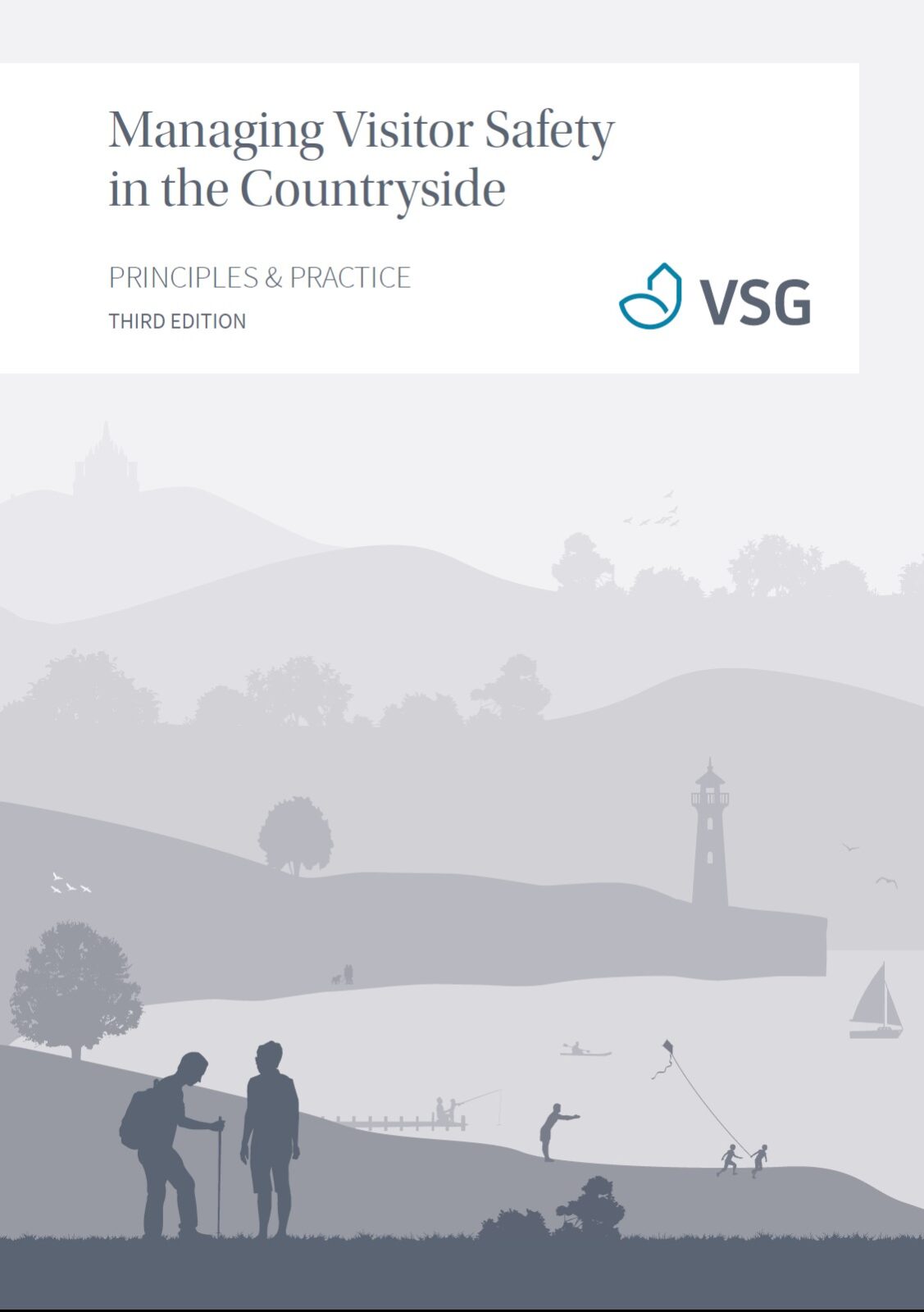
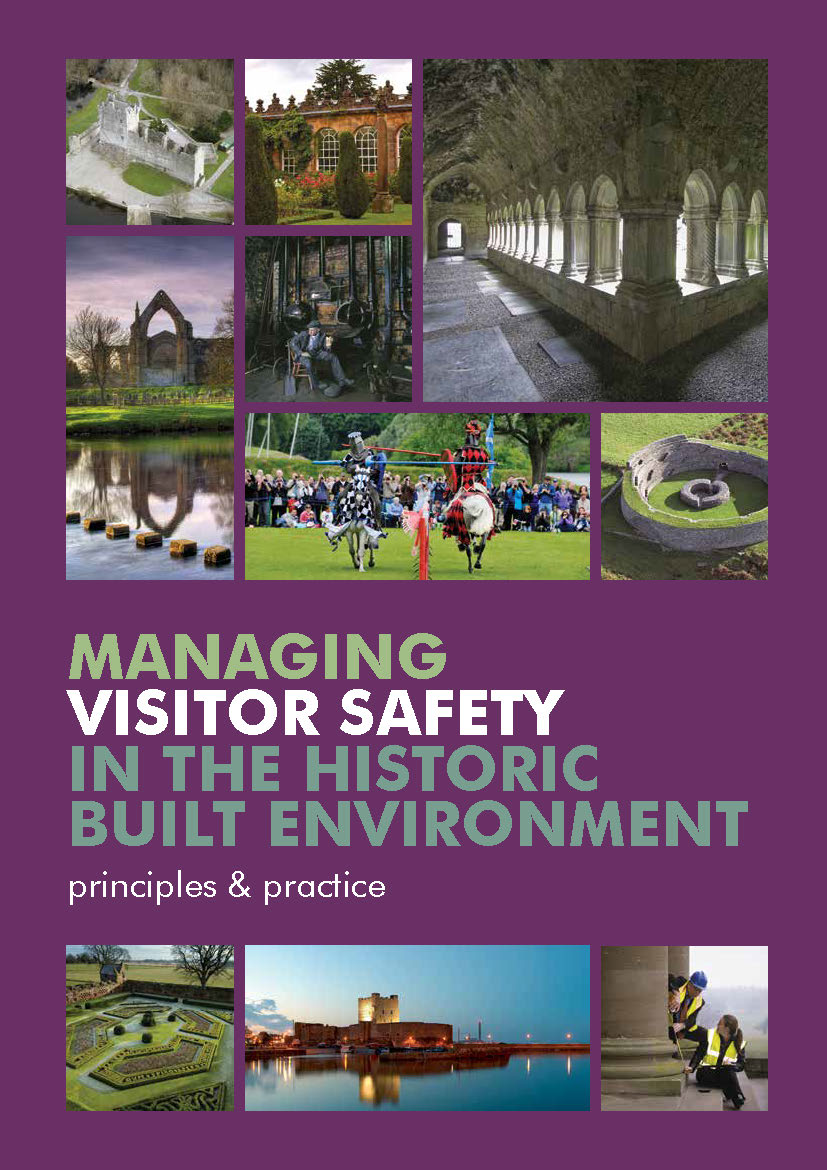
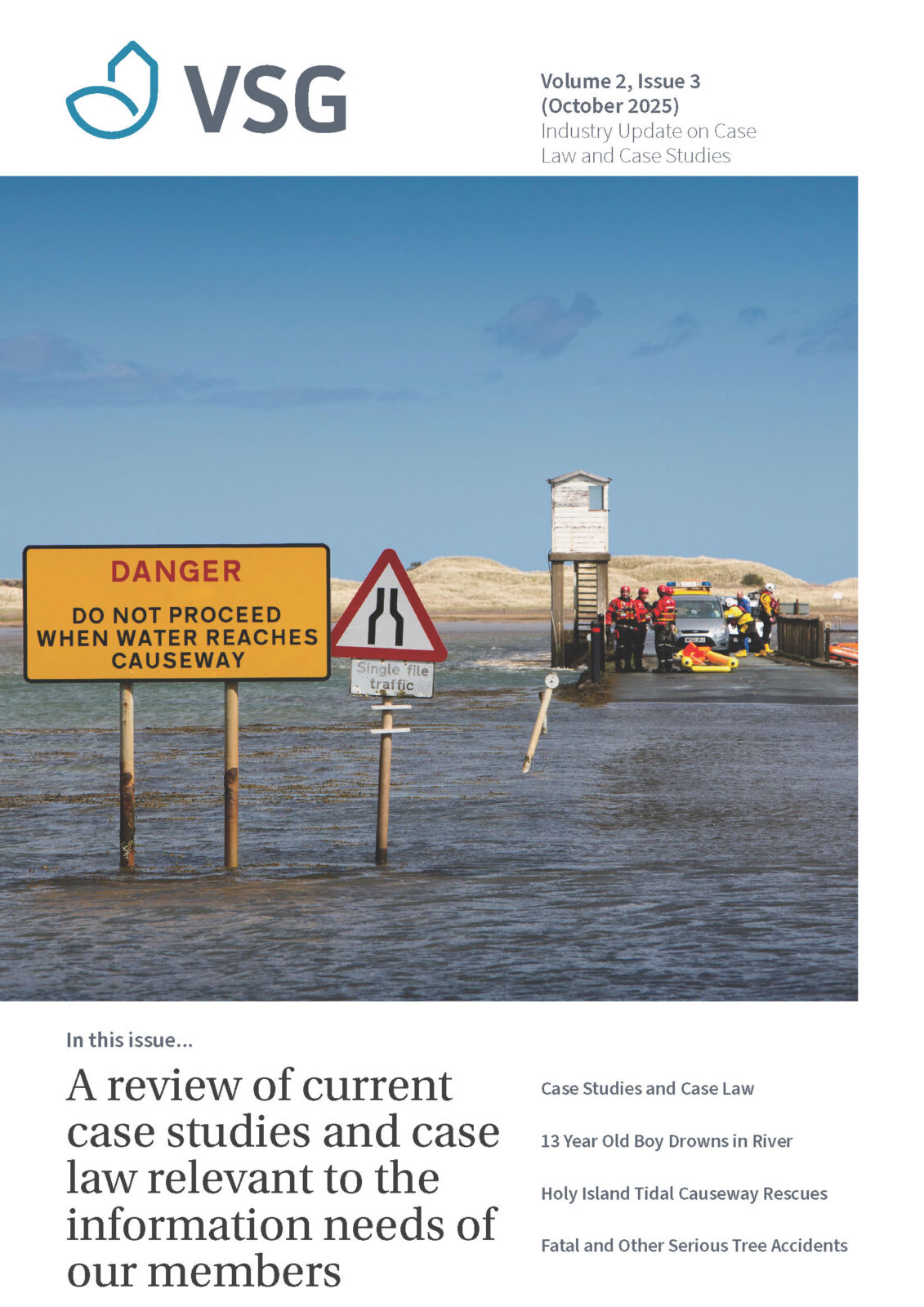
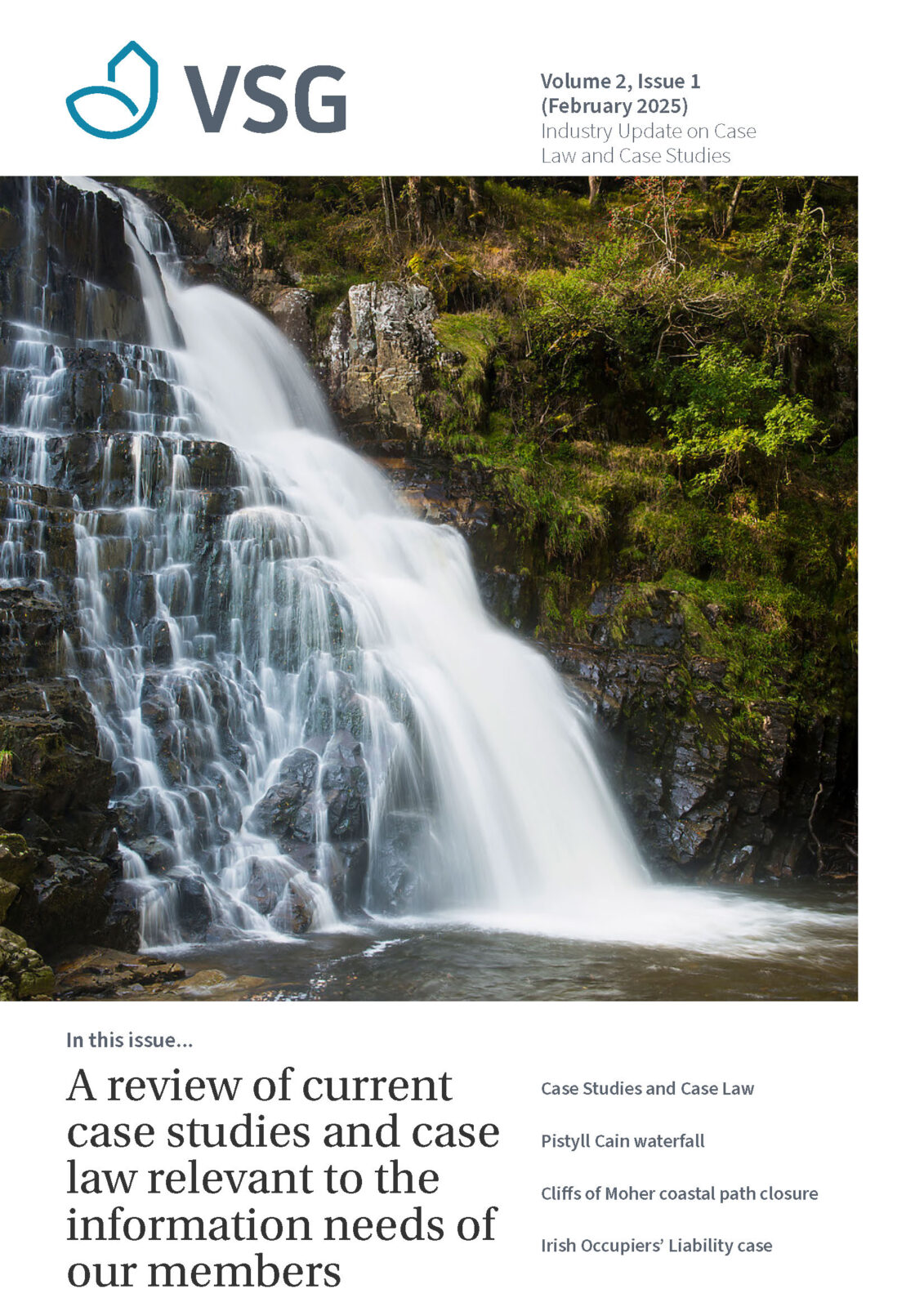
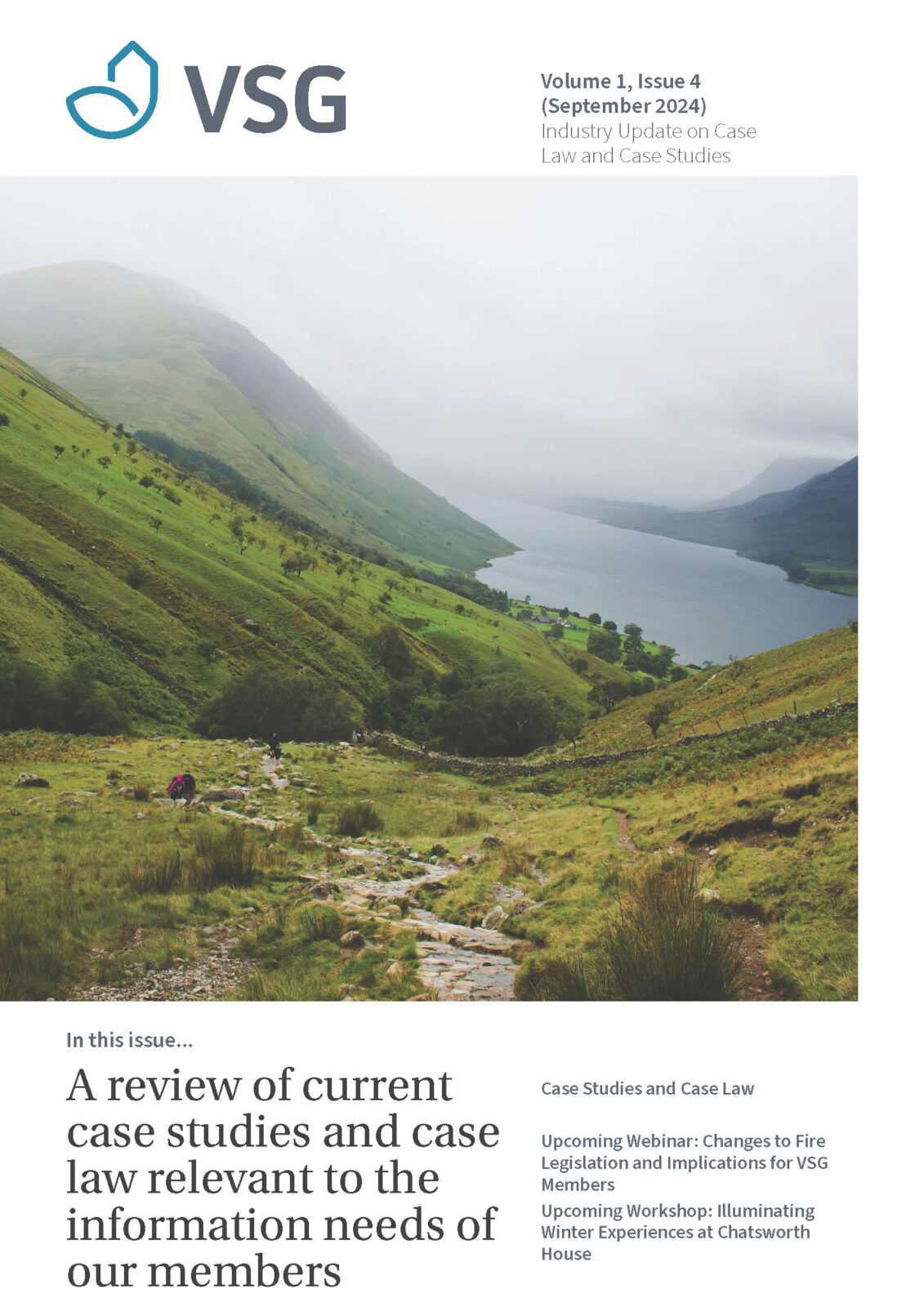
Range of VSG Publications and Industry Update Newsletters available in the Publications section.
Website engagement is also strong. Members tend to visit the website monthly or seasonally, with case studies, training resources and topic guidance being particularly well used. Several respondents expressed interest in seeing more e-learning content, which is soon to be launched, additional guidance for historic or ruinous sites, and more risk assessment templates that can be downloaded and adapted for organisational use.
The LinkedIn page continues to grow steadily, with most respondents confirming that they or their colleagues use LinkedIn.
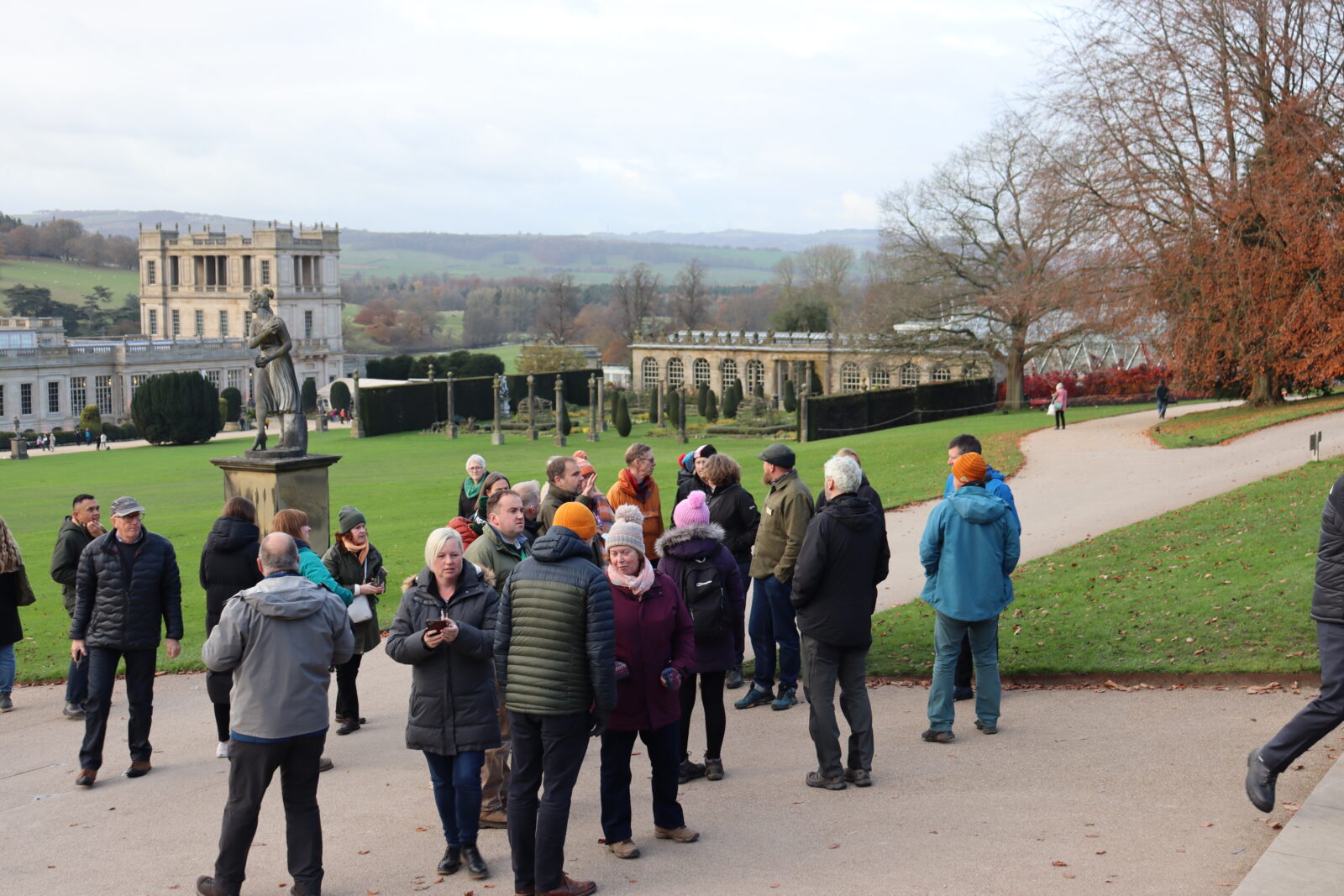
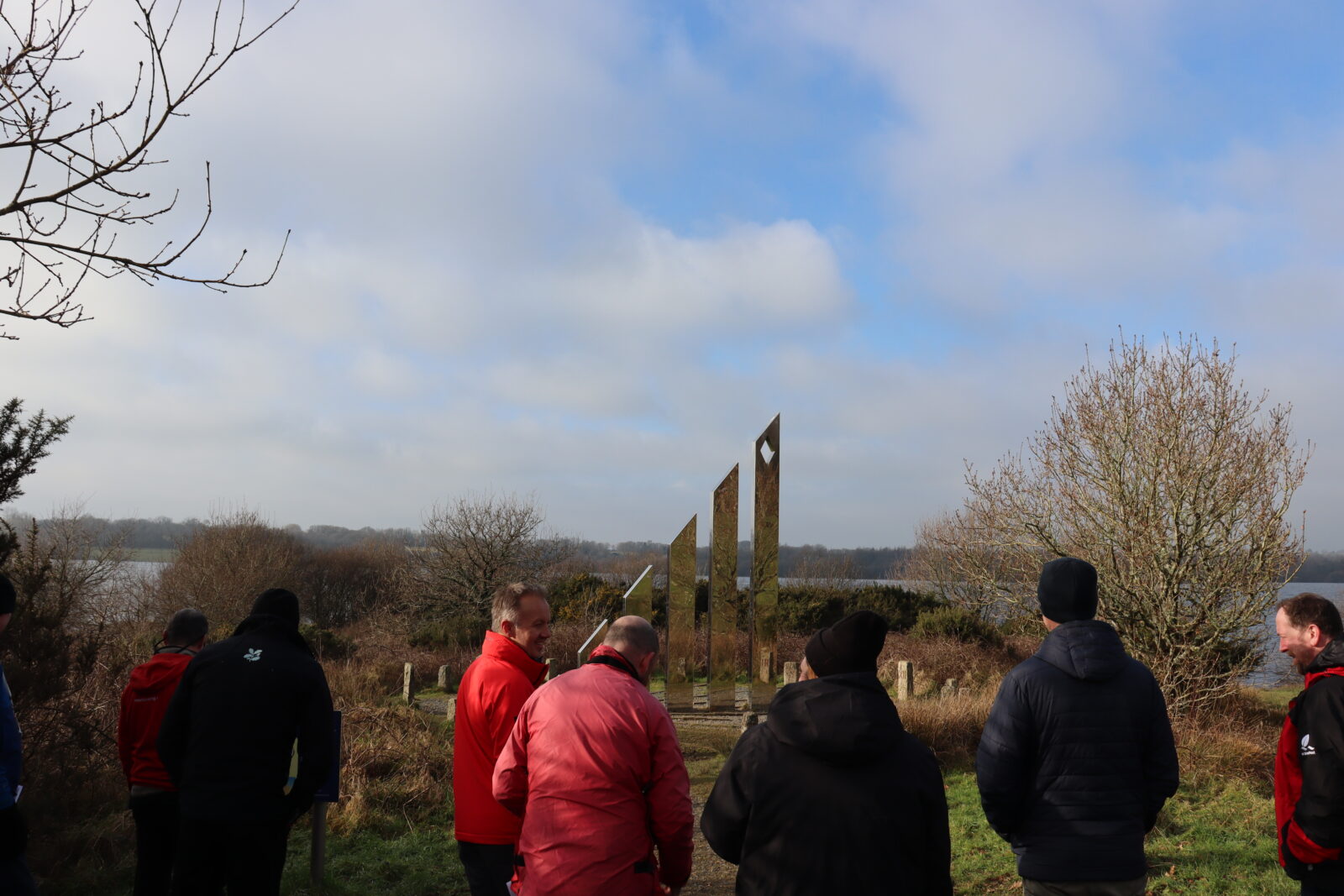
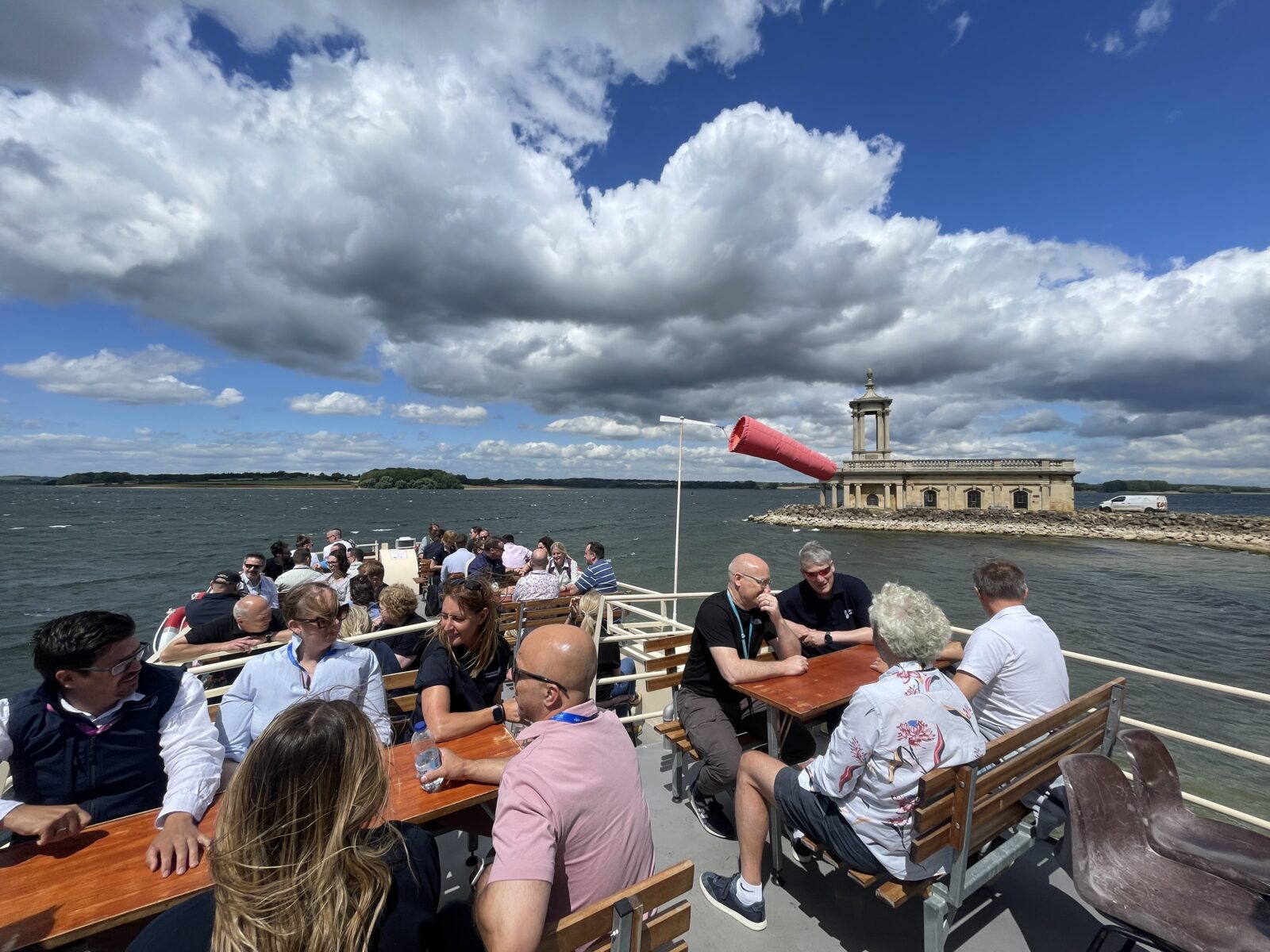
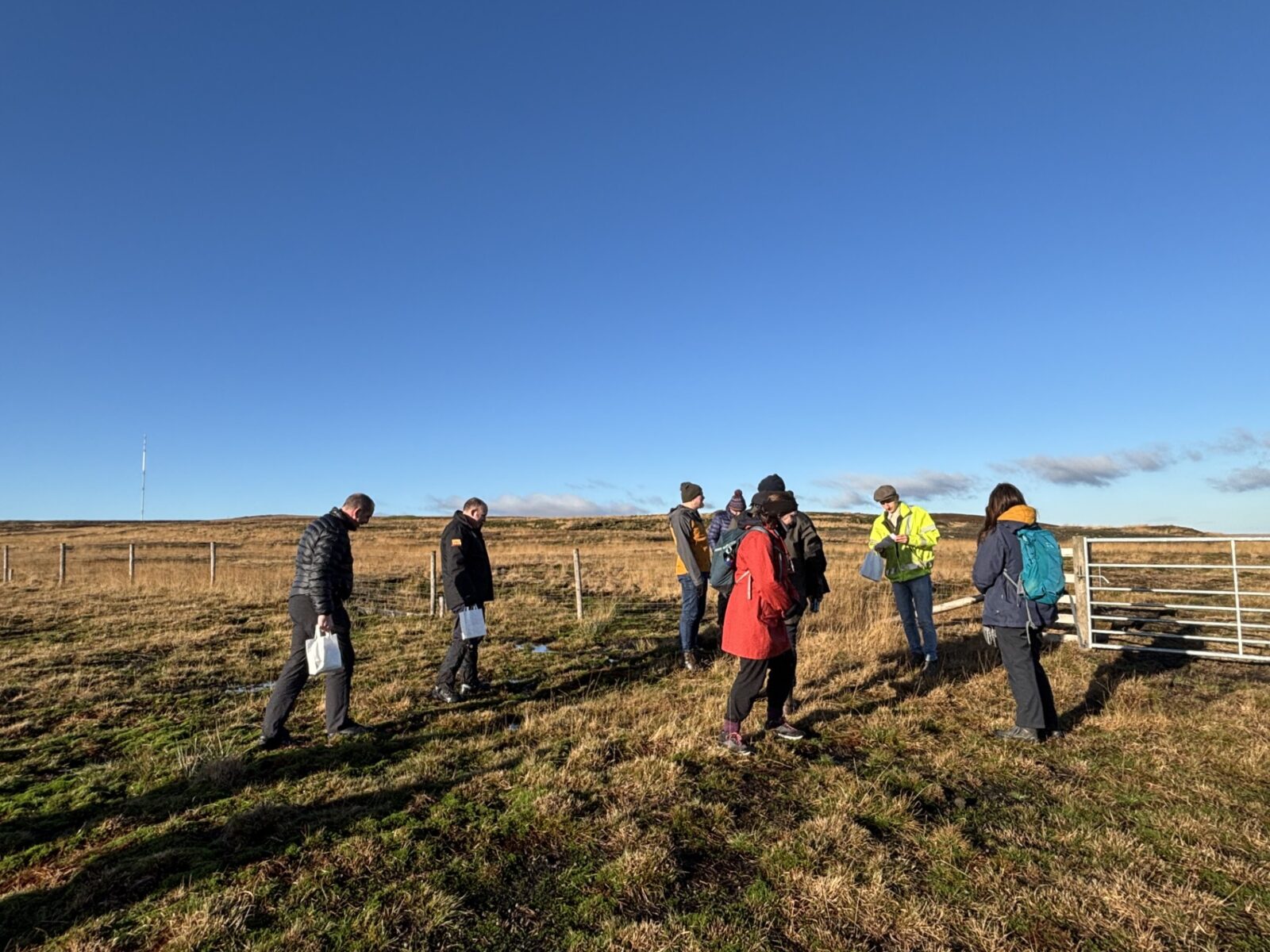
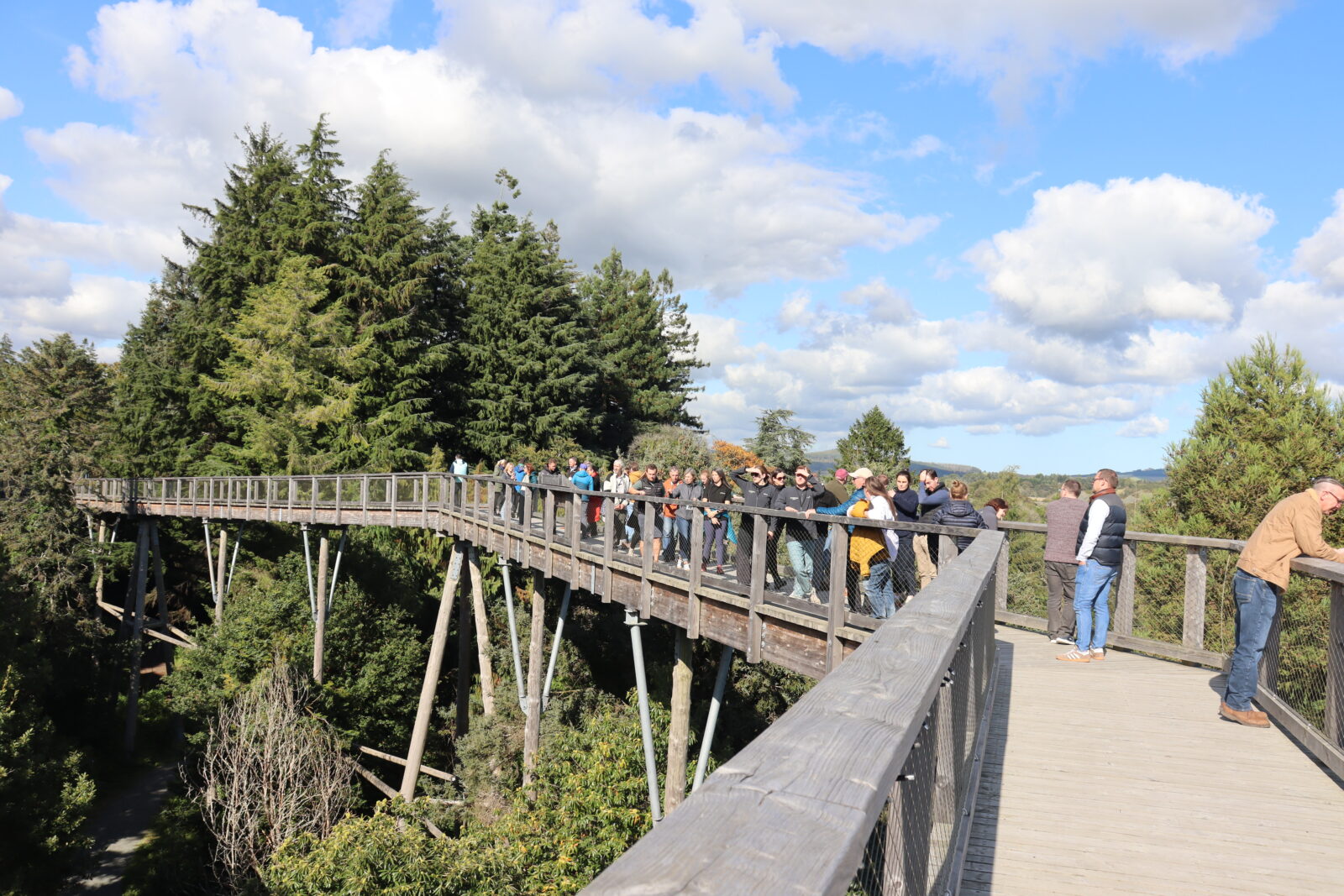
Training needs varied widely across member organisations, but the strongest themes were visitor safety risk assessment, event safety, water safety, livestock interactions, signage, emergency procedures and safety requirements in historic environments. Members expressed a clear preference for a balanced approach to delivery: while many appreciate the convenience of online training, most still value face-to-face workshops, especially those that include site visits and opportunities for informal networking.
Member commitment to VSG remains very strong. Almost all respondents indicated they were likely to renew their membership, and the vast majority said they would recommend VSG to other organisations. This reinforces that VSG is seen as a trusted, valuable and supportive network.
Finally, members identified networking as one of the most significant benefits of belonging to the VSG. Access to shared expertise, the ability to discuss issues with peers managing similar risks, and the availability of impartial advice were all highlighted as central reasons why the network is so important to their work.
What VSG will do next
The survey has given us a clear sense of where members want VSG to focus over the next three years.
Extra in-person workshops
One of the strongest messages was the continued importance of learning together in person. Members value the chance to see real sites, talk through challenges face-to-face and build relationships across the network. In response, VSG will increase the number of face-to-face workshops offered each membership year to three and has already actioned this for 2025/26, delivering our third workshop of the year at the end of November.
E-learning
At the same time, members expressed strong interest in more flexible online learning. This will guide the rollout of VSG’s first four e-learning courses, which will sit alongside webinars and workshops to provide a balanced mix of training options.
New topic guidance
The need for up-to-date guidance on emerging risks, such as environmental change, visitor behaviour, water safety and new legislative requirements, also came through strongly. VSG will prioritise producing practical, evidence-informed resources to help organisations navigate these areas by revising the content on the website and within the two VSG publications.
Mentoring
We know how important it is for members to access tailored support and advice when managing visitor safety challenges. Last year, VSG introduced the Experienced VSG Advice for Members initiative, providing direct access to current and past board members with specialist knowledge on a wide range of visitor safety issues.
Building on this, each member organisation has now been allocated a dedicated VSG board mentor. This ensures every organisation has a named point of contact to help them make the most of their membership, discuss site-specific challenges, get access to the right tools, case studies, publications or learning opportunities at the right time.
New case studies and templates
Finally, members also highlighted the importance of access to useful tools. Over the coming years, we will continue to develop easy to use templates and shareable case studies to learn from.
Thank you again to every member organisation that contributed to the survey this year. Your feedback ensures VSG continues to deliver the support, training and guidance needed to manage visitor safety effectively across diverse landscapes and heritage settings.
If you would like to discuss any of the findings in more detail, please contact us at kerry@out-scape.com.